

Solar in Palm Beach County, Florida
Palm Beach County has strong sun and a lot of roofs that are also hurricane roofs. A solar project has to survive the same wind the roof is designed for, and the federal residential credit does not apply to an installation completed after December 31, 2025.
Palm Beach County
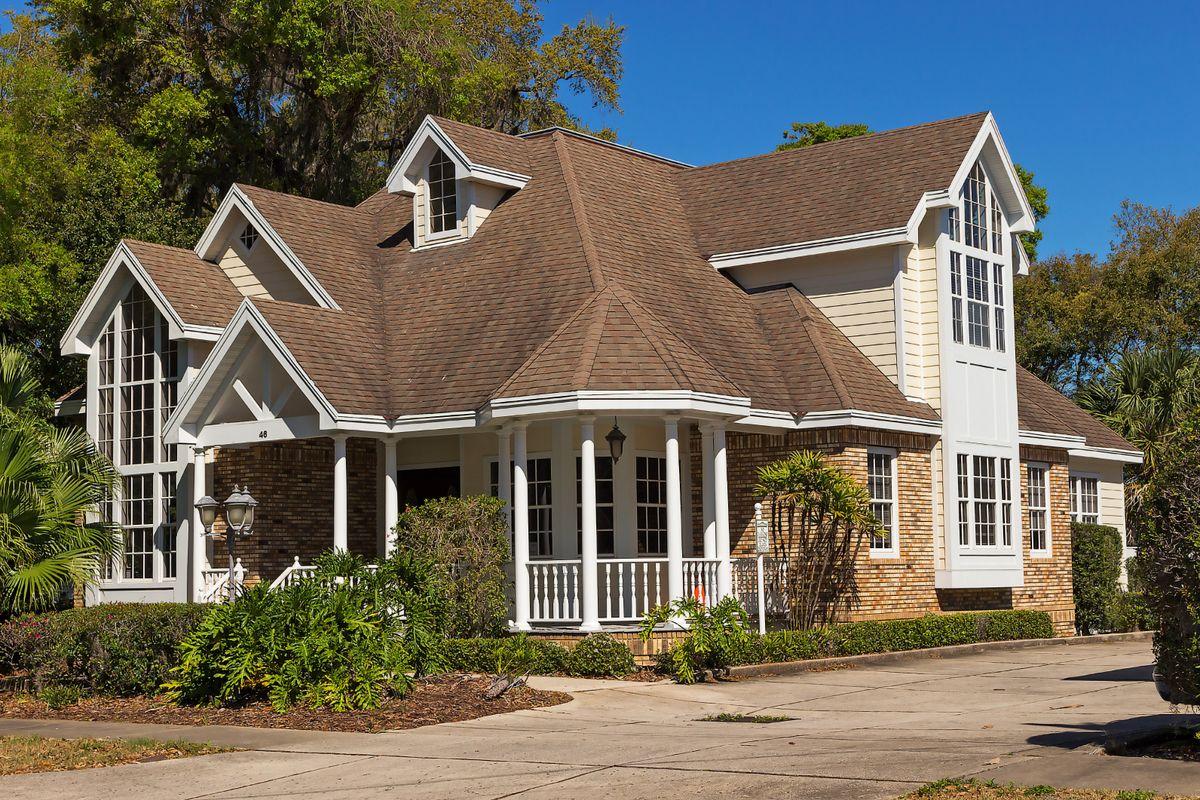
Palm Beach County runs from the Atlantic beaches through the Intracoastal cities and out to inland communities such as Wellington. It is not part of the High Velocity Hurricane Zone. That zone is Miami-Dade and Broward only. Houses here still face hurricanes, and many addresses are in a wind-borne debris region.
Investor-owned utilities in Florida have to offer net metering under Public Service Commission rule 25-6.065. Monthly extra generation can credit the next bill, credits can roll for up to 12 months, and leftover credits are paid at the utility's as-available energy rate, not automatically at the full retail rate. You still pay the customer charge. Municipal utilities and cooperatives are outside that rule.
Ask whether the rack and the attachment are approved for the site's wind speed. A solar bid that assumes the old 30 percent federal credit should be rewritten as a cash price.
How the cities in this county differ
A coastal roof in Boca Raton, Delray Beach, or Jupiter has a higher wind design problem than a roof in Wellington, and the rack has to be approved for the site either way. Shade from neighboring houses is the tighter constraint on smaller lots in eastern cities. Western master-planned streets often have association rules about where panels may sit. Ask the association and the city. An association letter is not a building permit.
West Palm Beach
West Palm Beach is the county seat on the mainland side of the Lake Worth Lagoon. The barrier island across the water is the Town of Palm Beach, which has its own building department. Do not mix the two addresses.
Downtown, Flamingo Park, Grandview Heights, and the neighborhoods along the lagoon do not share one house type. Some streets have local historic review for exterior changes.
Boca Raton
Boca Raton stretches from a coastal barrier and the Intracoastal to master-planned areas west of the Turnpike. East of U.S. 1 is a different wind and flood exposure from the western neighborhoods.
Many western communities have association rules for exterior colors, window frames, and roof materials. Those rules are private. They do not replace the building permit.
Delray Beach
Delray Beach includes a beach, the Intracoastal, and inland neighborhoods west of I-95. Atlantic Avenue is not the whole city, and the beach blocks are not the same permit problem as a house west of Congress.
Some downtown and beach streets sit in local historic districts. Exterior window changes there can need a second review besides the building permit.
Boynton Beach
Boynton Beach has an ocean side, an Intracoastal side, and a large inland side. The city permits addresses inside the city limits.
Older houses closer to the water and newer subdivisions farther west will not have the same opening sizes or the same flood exposure.
Jupiter
Jupiter sits at the county's north end, around the inlet and the Loxahatchee River, with beaches, marinas, and gated communities farther in.
You will see older river houses and newer planned neighborhoods in the same ZIP code area. The permit address still controls the wind design.
Wellington
Wellington is inland, west of the coastal cities, with equestrian properties and master-planned neighborhoods. It is not a beach town, and it is not in the High Velocity Hurricane Zone.
Association boards are common. They can limit frame color and roof style. They cannot waive the Florida Building Code.
When a roof is a solar candidate
The useful questions are shade, the direction and condition of the roof, the electrical panel, and what the utility pays for exported power. A roof that needs replacement in the next few years should be replaced first. Taking an array off later to reroof is a second project.
Panels, inverters, and batteries
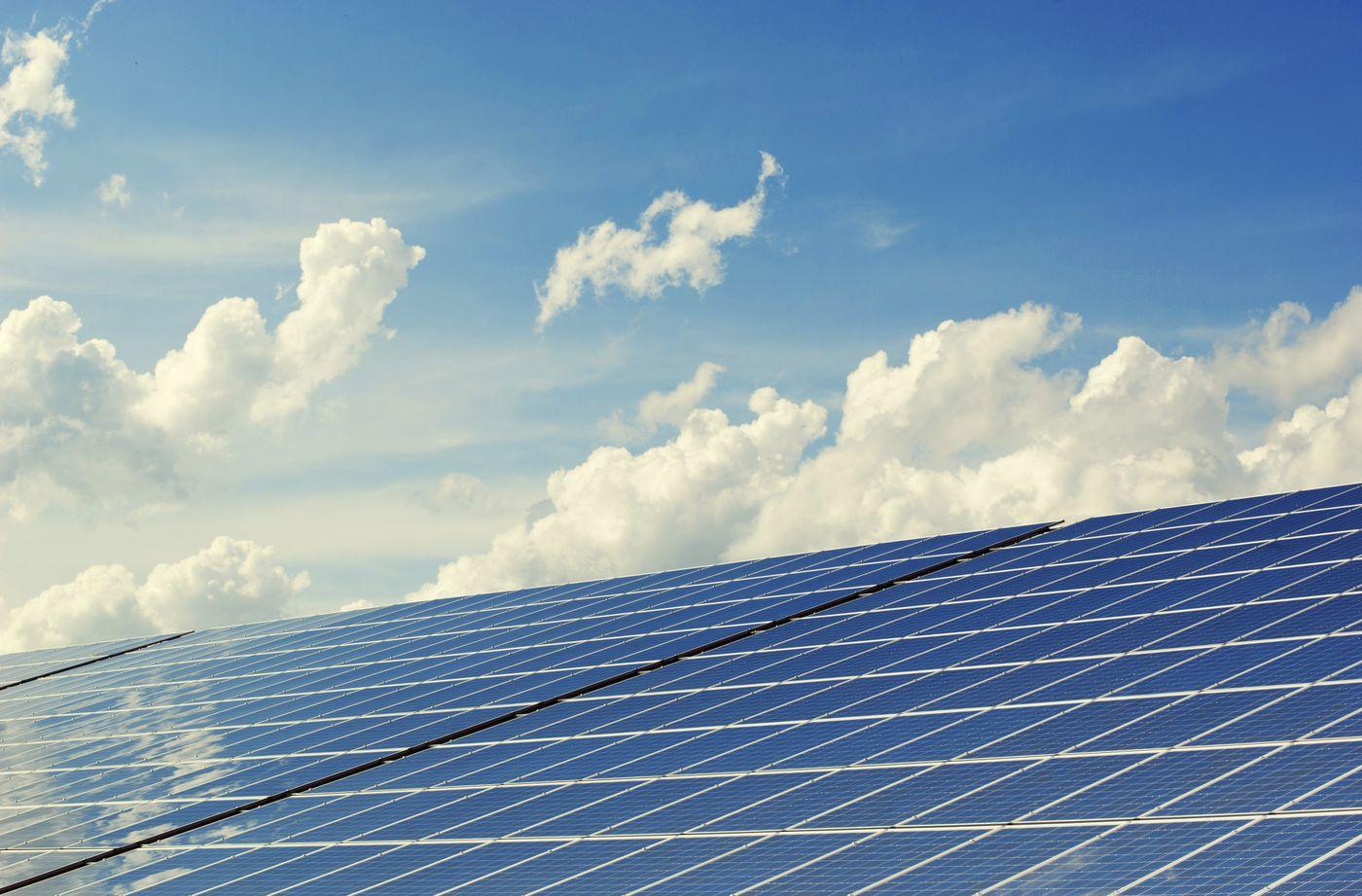
The Department of Energy's 2025 benchmark models a representative home system as 20 monofacial modules of 400 watts, each paired with a microinverter, for 8 kWdc and about 7 kWac. That is one common layout, not the only one. A string inverter with optimizers is the other usual choice. Microinverters keep one shaded module from dragging down the rest. A string inverter is simpler and has one box to service.
A battery does not make the panels cheaper. The same benchmark prices an 8 kWdc system with 13.5 kWh of storage at $4.59 per watt dc as a modeled market price, against $2.95 per watt dc for the panels alone. Those figures are 2024 dollars, leave out subsidies to the owner, and are models rather than quotes. Buy a battery if you want backup during an outage or if the utility's export credit is poor. Do not buy one because a sales sheet calls it standard.
Permits and inspections
Palm Beach County permits unincorporated addresses. Cities and towns permit their own. A statewide product approval is not automatically enough: the county building division says the installation has to match the approval's limitations of use and the job site's design wind speed and exposure.
Florida license records are public through the Department of Business and Professional Regulation. Look up the license before you pay a deposit. A city may also require local registration. The state record does not say whether the company is careful or available.
Look up the address on the FEMA Flood Map Service Center before you change the structure, a water heater location, or electrical equipment. This site does not assign a flood zone.
Published cost ranges
The U.S. Department of Energy's 2025 first-quarter benchmark, stated in 2024 dollars, models an 8 kWdc home system without batteries at $2.78 per watt dc (minimum sustainable price) and $2.95 per watt dc (modeled market price). Multiplying $2.95 by 8,000 watts is about $23,600 before any subsidy paid to the owner. The same benchmark with 13.5 kWh of storage is $4.59 per watt dc as a modeled market price. The Department describes these as models, not quotes, and says owner subsidies are left out.
We do not publish a city or county average. Doing that without a public local source would be a guess.
What the schedule is made of
A solar job usually runs measure, product choice, permit, order, install, then inspection. The long part is often the permit review and the factory lead time, not the day of installation. This page does not print a number of weeks, because lead times and building departments differ and a made-up range would be a guess.
Credits and programs
The IRS says the Energy Efficient Home Improvement Credit is not allowed for property placed in service after December 31, 2025. Through that date the credit was 30 percent, with annual caps that included $600 for windows and skylights and $2,000 for heat pumps. Those caps are history, not a 2026 discount. The Residential Clean Energy Credit is not allowed for expenditures made after December 31, 2025. The IRS treats that expenditure as made when the original installation is completed, so a 2025 deposit does not keep the credit for a system finished in 2026. This is a reading of IRS pages, not tax advice.
Florida Administrative Code rule 25-6.065 requires investor-owned utilities to net meter customer-owned renewable generation. Extra energy in a billing cycle credits the next cycle, credits can roll for up to 12 months, and unused credits are paid at the utility's as-available energy tariff. You still pay the customer charge and any demand charge. Municipal utilities and electric cooperatives are outside that Public Service Commission rule.
How to compare companies
Florida license records are public at the Department of Business and Professional Regulation. Look up the license before you pay a deposit. A city may also require a local registration. The state record does not tell you whether the person is available or careful.
A useful quote names the product or equipment model, what is torn out, who pulls the permit, what is excluded, and the payment schedule. A deposit can be reasonable. Paying the entire job before any work starts is a risk you do not have to take. Get two quotes against the same scope and see which assumptions differ.
- The license number, and the name it is issued to.
- Who pulls the permit, and in whose name.
- What happens if hidden damage shows up.
- The warranty on the product and the warranty on the labor, as two separate lines.
After the work
Keep the array free of shade from new trees. Have the inverter alarms checked when production drops and the weather does not explain it. Do not pressure-wash panels unless the manufacturer says that is allowed.
Questions
Who permits solar work in Palm Beach County?
Palm Beach County permits unincorporated addresses. Cities and towns permit their own. A statewide product approval is not automatically enough: the county building division says the installation has to match the approval's limitations of use and the job site's design wind speed and exposure.
Repair or replace solar in Palm Beach County?
Repair when the failure is local and the rest of the system is sound. Replace when the material itself has failed across the house or the permit requires a different product than the one you have.
Sources
- Palm Beach County Building Division, product approval postings As of November 21, 2026.
- U.S. Department of Energy, Solar Photovoltaic System Cost Benchmarks (2025 Q1 data, page updated September 2, 2026) As of September 2, 2026.
- IRS, Residential Clean Energy Credit As of November 21, 2026.
- IRS, FAQs on changes to sections 25C and 25D under Public Law 119-21 (July 4, 2025) As of November 21, 2026.
- Florida Administrative Code Rule 25-6.065, net metering As of November 21, 2026.
- Florida Public Service Commission, customer-owned renewable generation overview As of November 21, 2026.
- FEMA Flood Map Service Center As of November 21, 2026.
- Florida Building Commission, code edition notice As of November 21, 2026.